Synopsis
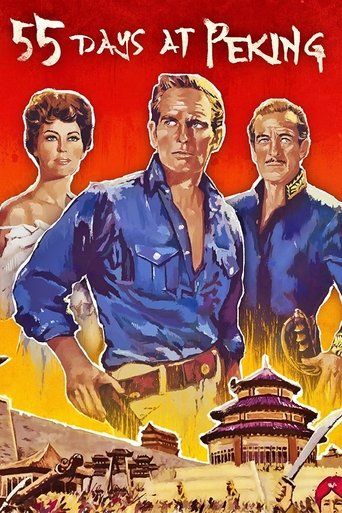
55 Days at Peking is a movie released in 1963.
In a gripping portrayal of resilience and defiance, this epic historical drama immerses viewers in the harrowing events of the Boxer Rebellion, where diplomats, soldiers, and civilians from various nations must band together to survive an overwhelming siege in Peking. As the frenzied hordes of the Boxers lay siege to the International Compound, the film weaves a tapestry of conflicting loyalties and desperate alliances, showcasing the human spirit's determination to endure against insurmountable odds. With the Empress of China and her generals covertly supporting the uprising, the stakes could not be higher. What sets this film apart is its rich ensemble cast, who deliver powerful performances that bring to life the complex dynamics of international diplomacy in the face of chaos. Themes of unity, sacrifice, and the clash of cultures resonate throughout, inviting audiences to reflect on the fragility of peace in a world rife with conflict. The film’s stunning cinematography captures the vibrancy of early 20th-century China, while its dramatic score amplifies the tension and urgency of the narrative. For those who appreciate historical epics that blend action with poignant storytelling, this film is a compelling exploration of courage and humanity in the darkest of times.




















 Allied Artists Pictures